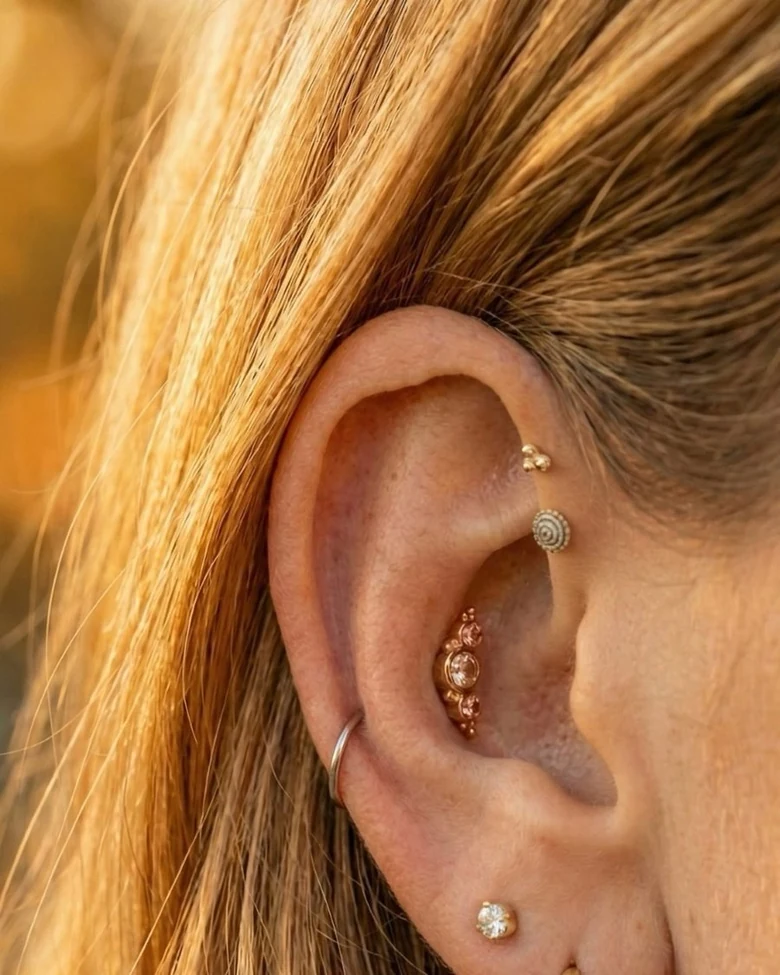
Rook piercing in Auckland
A needle, never a gun, at 389 Parnell Road. Open seven days.
How much is it?
titanium
you choose the piece
The piercing and the jewellery, both in the price.
Either way it covers the piercing and the jewellery together, the aftercare, and the checkup four weeks later. Nothing is added at the chair, and there is nothing to pay when you book.
Where it sits
The ridge of cartilage above the daith. We look at the ridge before anything is marked.
It depends on the fold inside your ear. Some ears are too flat to hold it well, so we check at the table before anything is marked.
Every spot on the ear
Does it hurt?
More than a helix, because it goes through a thick fold, but it is over in seconds.
Who pierces it
Tom or Kat, one client in the room, forty-five minutes. Sixteen and over. Everyone brings photo ID.

TomWednesday to Sunday

KatSunday to Tuesday
How long does it take to heal?
Nine to twelve months
- Day onePierced, and your checkup booked before you leave
- Four weeksYour checkup, free for everyone pierced here. The bar comes down if it is ready
- Nine to twelve monthsHealed
Do not sleep on it while it heals. A travel pillow lets your ear rest in the hole.
Sleep is the hard part with a rook. It sits inside the ear, where a pillow reaches it however you lie. A travel pillow with a hole in it, so the ear sits in the gap, is worth having from the first night rather than the first bad week.
Warm water in the shower once a day is the whole clean. Turn your head so it runs into the fold, then pat it dry with a paper towel, not a cloth one: cloth catches on the ends of the bar.
Any problem with a piercing we did, the look is free.
What goes in it
A curved titanium bar. Small rings suit it once it has healed.
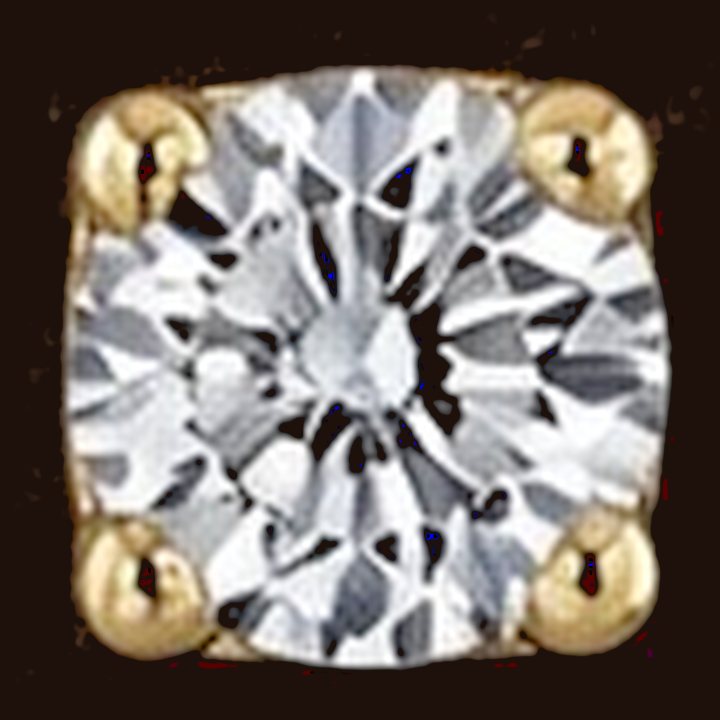
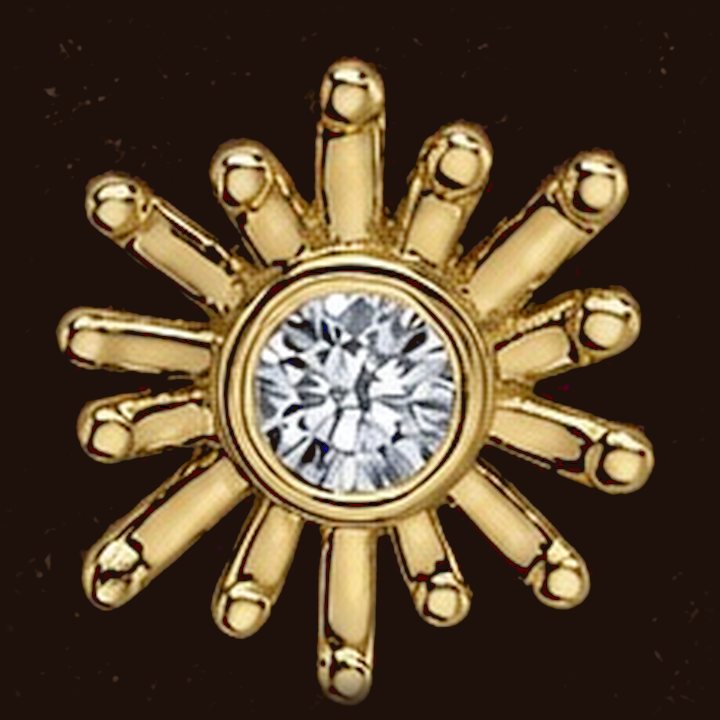
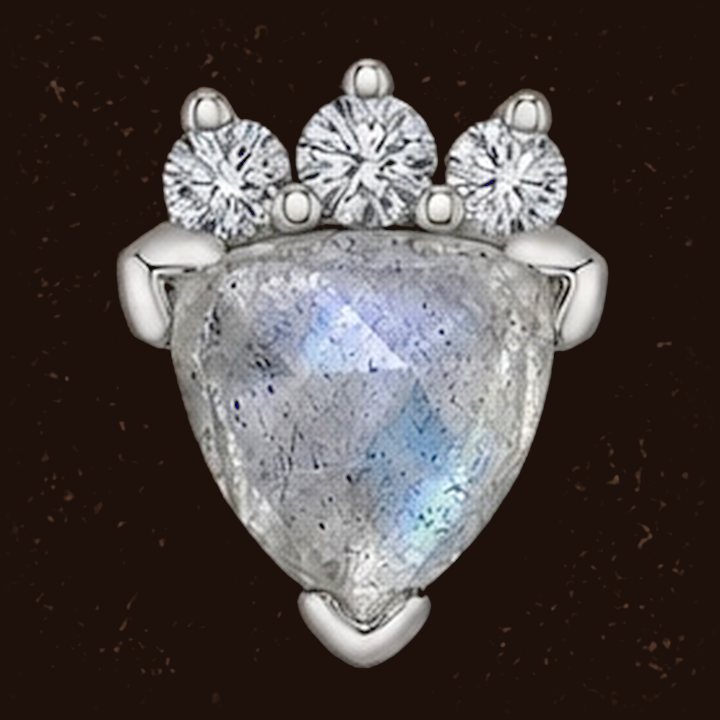
The bar is curved because the ridge is: a straight one would push at one end or both. Gold goes on the end of it on the day, because the piece is chosen before the spot is marked. A ring waits until it is fully healed, at least twelve months for cartilage, and only if the fold will take one.
The ends on a curved bar can work loose over months of knocks. If one feels loose, or one goes missing, come in that week. And if a bump comes up beside it, come in: it is almost never an infection, and if we pierced it the look is free, healed or not.
In the case nowpierced, in the price
What happens at the appointment
Forty-five minutes, one client in the room.
It starts at the low table with a mirror in your hand. We look at the ridge first, because that decides whether the rest of it happens, then find the spot and mark it. You see the mark and agree with it before anything else happens.
The piercing is one pass of a single-use sterile needle, over in a second or two, and the bar goes in at the same moment. A needle, never a gun. Your checkup goes in the book before you leave.
Come rested and fed. That sounds like small advice and it is not.
Does my ear have a rook?
Plenty do not, and this is the first thing we look at.
The rook goes through a ridge of cartilage that stands up inside the ear, above the daith. The needle goes in at the top of the ridge and out underneath it, so the ridge has to stand proud enough, and run deep enough through, to hold a bar with both ends clear of everything around them.
On a lot of ears it is flat, or shallow, or runs into the cartilage beside it without ever standing up. Forced into one of those, a bar sits under pressure from the day it goes in and often works its way out. You cannot tell from a photograph. If yours will not hold one, you will hear that, and what would sit well nearby instead.
Book a rook
$150 in titanium, or from $350 with a gold end. Nothing to pay when you book.
389 Parnell Road, Parnell, Auckland. Open seven days, by appointment. Directions