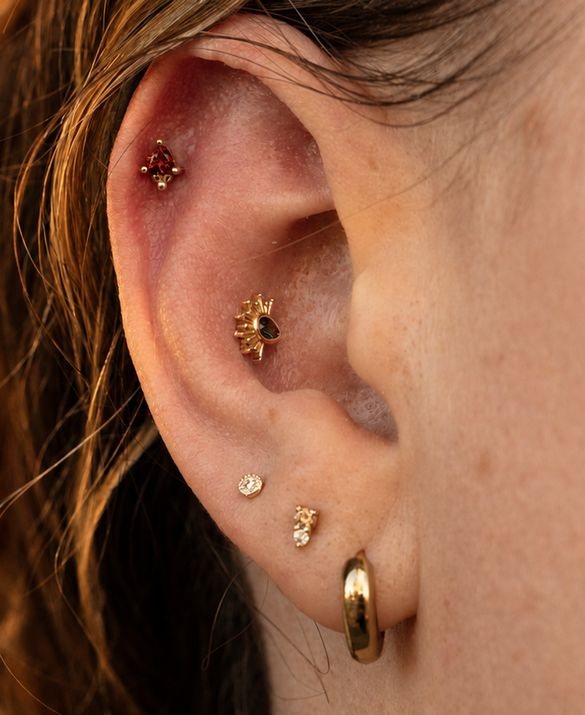
Helix piercing in Auckland
A needle, never a gun, at 389 Parnell Road. Open seven days.
How much is it?
titanium
you choose the piece
The piercing and the jewellery, both in the price.
Either way it covers the piercing and the jewellery together, the aftercare, and the checkup four weeks later. Nothing is added at the chair, and there is nothing to pay when you book.
Where it sits
The upper rim of the ear. Where on the rim depends on your cartilage, so we mark it with you in the mirror first.
Almost every ear does.
The rim is not the same on every ear. The cartilage runs thicker or thinner, and the fold sits tighter or looser. Most ears have more than one spot on the rim that works, so the question at the table is which one, not whether.
Every spot on the ear
Does it hurt?
Short and sharp, and less than most people expect. The first fortnight is sorer than the piercing itself.
Who pierces it
Tom or Kat, one client in the room, forty-five minutes. From twelve with a parent in the room, or sixteen and over on your own. Everyone brings photo ID.

TomWednesday to Sunday

KatSunday to Tuesday
How long does it take to heal?
About nine months
- Day onePierced, and your checkup booked before you leave
- Four weeksYour checkup, free for everyone pierced here. The bar comes down if it is ready
- Three monthsOver-ear headphones back on
- About nine monthsHealed
No over-ear headphones for the first three months. Earbuds on the other side are fine.
Pressure while you sleep is what most often sets a helix back. Sleep on the other side, or use a travel pillow with a hole in it so the ear sits in the gap. Long hair catches on a new post, so tie it back on that side early on, and keep the phone off that ear.
Warm water in the shower once a day is the whole clean. Nothing else goes on it.
Any problem with a piercing we did, the look is free.
What goes in it
A threaded end or a threadless pin. Gold can go in on the day, or once the bar has come down.
Gold goes in on the day, because the piece is chosen before the spot is marked and it is what you are pierced with. A different style waits until it is fully healed, which for cartilage is at least twelve months. Changing early is what sets a healing helix back furthest.
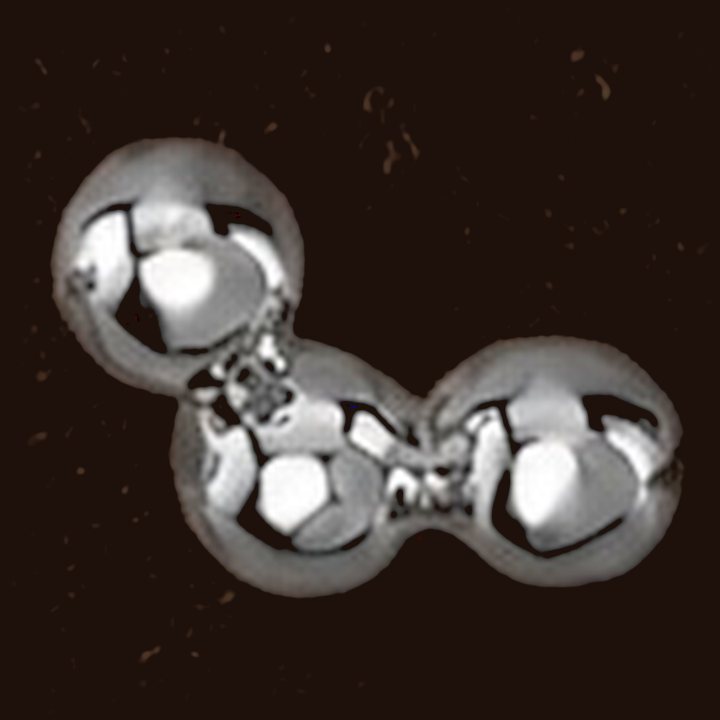
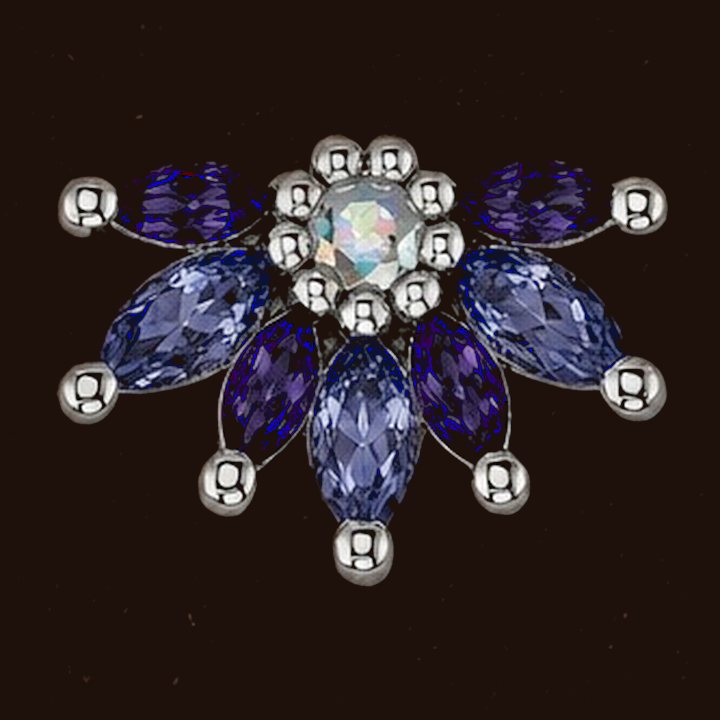
In the case nowpierced, in the price

What happens at the appointment
Forty-five minutes, one client in the room.
It starts at the low table with a mirror in your hand. We look at the ear, find the spot, and you choose the piece if you would like gold. Then the mark, which you see and agree with, and which moves as often as it needs to.
The piercing is one pass of a single-use sterile needle, under a minute, and the piece goes in at the same moment. A needle, never a gun. Your checkup goes in the book before you leave.
If a bump comes up
Bumps beside a healing helix are common, and almost never an infection. The usual cause is pressure: sleeping on it, a post that is still long, or something put on it that should not have been.
Come in and we will look at it. If we pierced it, the look is free, healed or not. Meanwhile, leave the jewellery where it is and keep tea tree oil, Savlon and antiseptic away from it.
Can I have both ears done at once?
We would rather stagger them. While a helix heals you need a side to sleep on, and two healing ears leaves you nowhere to put your head. Book the second when the first has settled, and we will tell you at your checkup when that is.
Book a helix
$150 in titanium, or from $350 in gold. Nothing to pay when you book.
389 Parnell Road, Parnell, Auckland. Open seven days, by appointment. Directions