Lip
piercing
Labret, philtrum, and Monroe — placed with clinical precision, healed with implant-grade titanium.
Lower lip, upper lip, philtrum
Lip piercings cover a range of specific placements. The most common we perform at Platinum Point are the labret (centre below the lower lip), the philtrum — also called the Medusa — (centre above the upper lip), and the Monroe (offset upper lip). Each is fitted with a flat-back labret post — a post with a flat internal disc and a threadless decorative end on the outside.
The flat-back system is critical for oral piercings. A ball-end inside the mouth creates ongoing contact with the gum and teeth. A correctly sized flat disc sits away from the gum line and reduces this contact significantly. We size the post to your anatomy at consultation — not from a generic length off a shelf.
Lip piercings heal faster than cartilage placements because the oral region has an excellent blood supply. Expect 6–12 weeks for initial healing — meaningfully shorter than the 9–12 months required for daith or conch. The downsize at 6–8 weeks is still an important clinical step.
Exactly what to expect
What healing looks like
Swelling and tenderness
Expect noticeable swelling — the lip region swells readily. The initial bar is long specifically to accommodate this. Saline rinse twice daily. Cool, soft foods. No alcohol or smoking.
Swelling reduces
The excess bar length becomes obvious as swelling resolves. Continue saline rinse. Resume a more normal diet. Avoid very spicy or acidic food near the piercing site.
We see you back
Complimentary downsize appointment. The longer bar is replaced with a shorter post that sits flush — reducing movement and gum contact. Do not skip this step.
Fine jewellery upgrade
The fistula is stable. Change to BVLA flat-back threadless ends or other fine jewellery. The oral location means consistent maintenance — keep the flat back clean and check tightness periodically.
Oral piercings need two routines
Lip piercings have an inside and an outside. Both sides need care — external saline spray for the outside, and clean water or saline rinse for the inside. No antiseptic mouthwash, which disrupts the oral microbiome and irritates healing tissue.
- 01External: saline spray twice dailySterile saline wound wash on the outside of the piercing. Let it soak for 30 seconds. Air-dry.
- 02Internal: rinse with clean water after eatingPlain water or a non-alcoholic saline rinse after every meal. This clears food debris from around the flat back inside the mouth.
- 03No antiseptic mouthwashListerine and similar products kill healing cells and disrupt oral flora. Water rinses only. No salt water — saline concentration from homemade solutions is too variable.
- 04No alcohol or smoking for 4 weeksBoth delay healing significantly. Alcohol dehydrates tissue; smoke introduces bacteria and reduces local immunity.
- 05Soft, cool foods in the first weekHeavy swelling in the first few days — keep food soft and avoid extremes of temperature, spice, or acidity near the piercing site.
- 06No kissing during healingSaliva from another person introduces bacteria. Avoid for at least four weeks, and be honest with yourself about "healed."
- 07Return for downsize at 6–8 weeksIncluded free. The longer bar creates unnecessary movement and gum contact once swelling resolves. The downsize removes both issues.
- 08Check flat-back tightness monthlyOnce healed, the internal flat disc can loosen over time. Check it periodically — tighten by holding the outside end still and turning the flat back. Never remove and reinsert without a piercer if the piercing is under 3 months old.
Questions we're asked, often
If your question isn't here, bring it to the consultation. We'd rather answer it in person than have you guess.
Does a lip piercing hurt?
Lip tissue is soft and well-vascularised — most clients find it less uncomfortable than cartilage piercings. There is a sharp pinch at the moment of piercing and some throbbing afterwards. The first two to three days involve visible swelling, which is the most uncomfortable part.
What is the difference between a labret and a philtrum?
A labret is placed below the lower lip. A philtrum (Medusa) is placed above the upper lip in the natural groove below the septum. Both use flat-back labret posts. The Monroe is an offset upper lip placement, usually to the left — historically associated with Marilyn Monroe's beauty spot.
Will a lip piercing damage my teeth or gums?
An incorrectly sized or placed labret can create long-term contact with the gum and tooth enamel. At Platinum Point we size the flat-back post specifically to your anatomy to minimise contact. After healing, a correctly fitted flat-back in titanium or solid gold is safe for long-term wear. We also advise on placement angle to avoid directing the disc toward the gum line.
Can I eat and drink normally?
Yes, with care. Soft, cool foods in the first week. Normal diet from week two onwards, avoiding very spicy, acidic, or crunchy food near the piercing until it is fully healed. Rinse with water after every meal throughout healing. Avoid alcohol for at least four weeks.
Can I hide a lip piercing for work?
Once fully healed (three months minimum), a clear or flesh-coloured retainer can be used. Do not attempt this during healing — removing and reinserting jewellery in a healing fistula re-traumatises the tissue and restarts the healing process.
What BVLA jewellery suits a lip piercing?
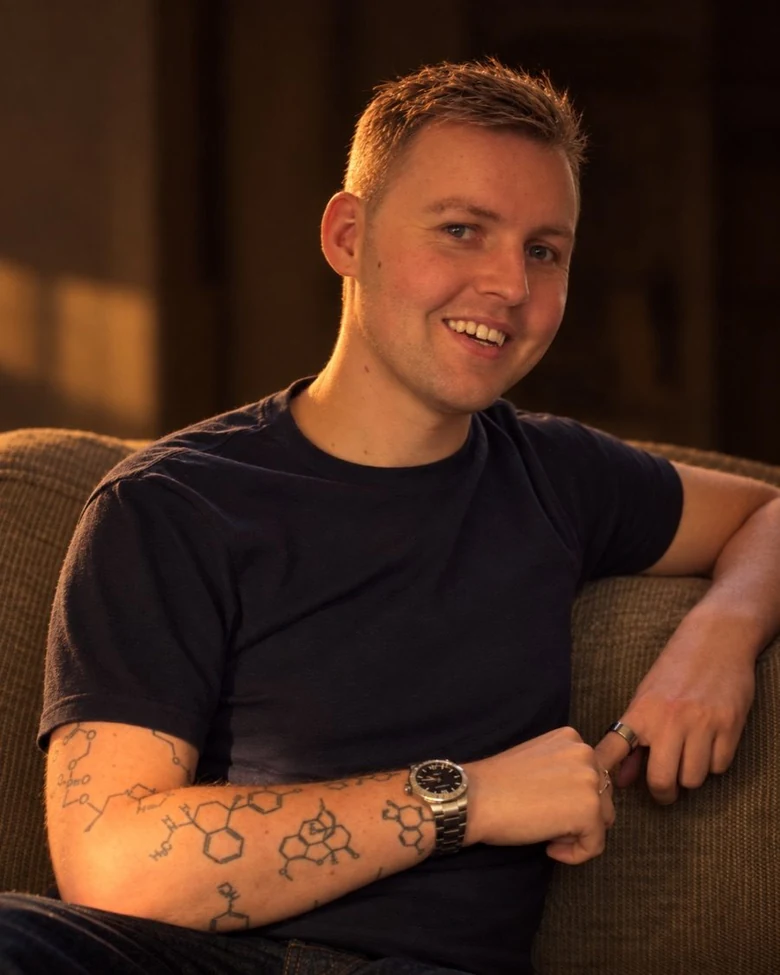
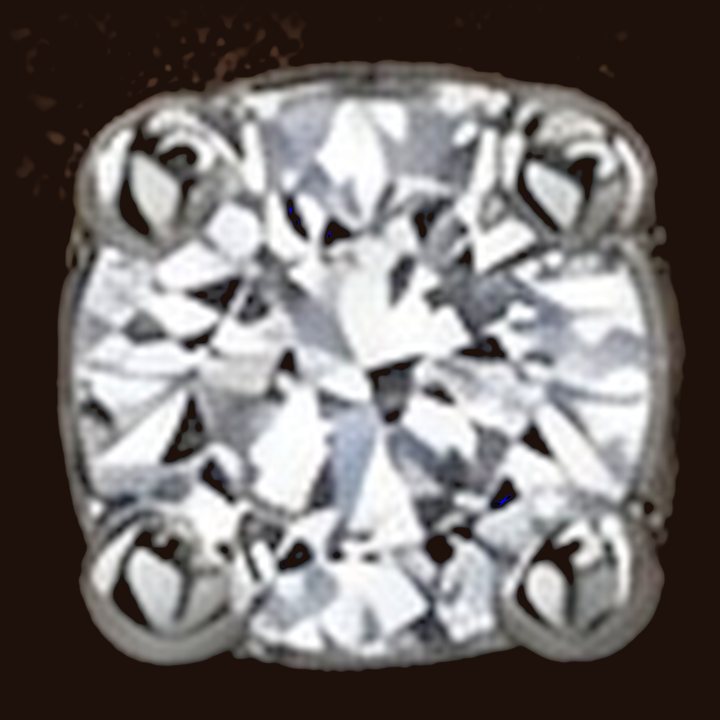
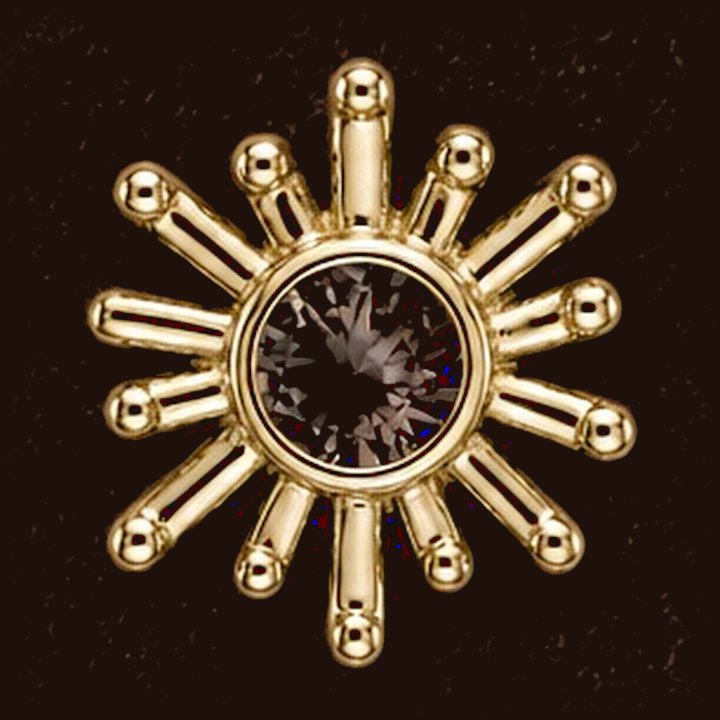
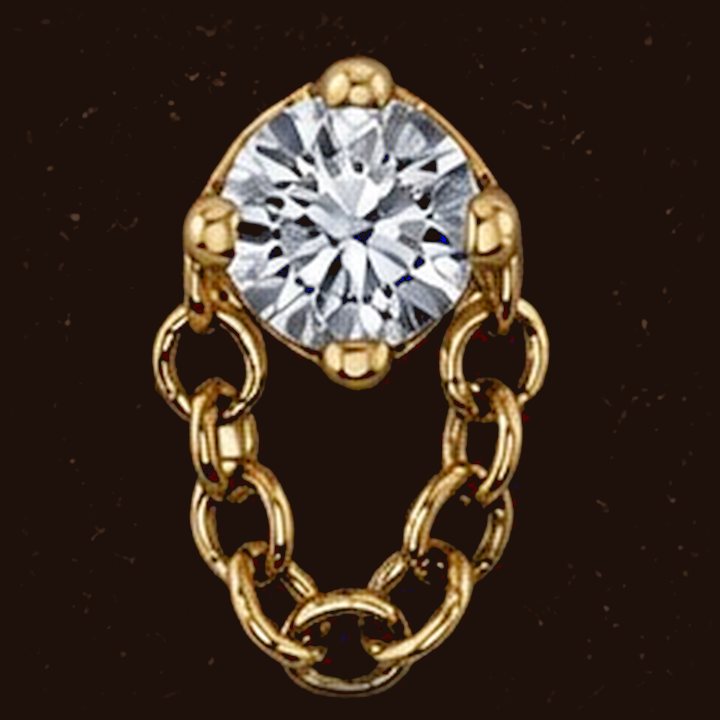
Flat-back threadless ends — small decorative pieces that push into the top of a labret post. BVLA makes a range of threadless ends in solid 14k and 18k gold with hand-set stones that work beautifully in a healed labret or philtrum. We can show you the range at your consultation or downsize appointment.
Book your lip piercing
All placements are by appointment. Expect a 40-minute slot — full anatomy consult, sterile placement, and aftercare included.