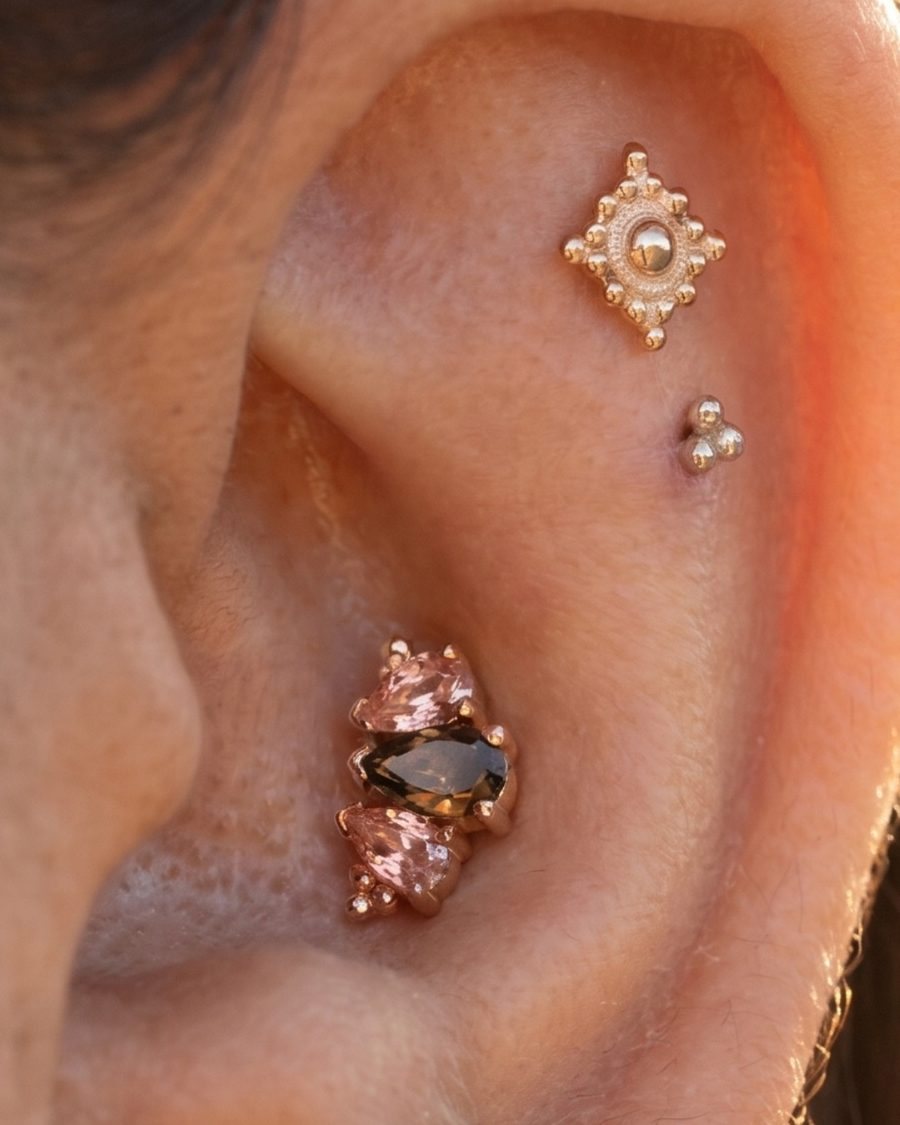
Conch piercing in Auckland
A needle, never a gun, at 389 Parnell Road. Open seven days.
How much is it?
titanium
you choose the piece
The piercing and the jewellery, both in the price.
Either way it covers the piercing and the jewellery together, the aftercare, and the checkup four weeks later. Nothing is added at the chair, and there is nothing to pay when you book.
Where it sits
The bowl of cartilage in the middle of the ear, inside the rim. There is room here for a larger piece.
None
How deep the bowl runs, and how thick the cartilage is across it, decide how far in the mark can sit. That is a look in person, not a look at a photo.
Every spot on the ear
Does it hurt?
It takes a beat longer than a helix, but it is still brief. The first fortnight is sorer than the piercing.
Who pierces it
Tom or Kat, one client in the room, forty-five minutes. Sixteen and over. Everyone brings photo ID.

TomWednesday to Sunday

KatSunday to Tuesday
How long does it take to heal?
Nine to twelve months
- Day onePierced, and your checkup booked before you leave
- Four weeksYour checkup, free for everyone pierced here. The bar comes down if it is ready
- Nine to twelve monthsHealed
Sleep on the other side for six months, and skip deep earbuds for the first three.
The bowl is easy to press on without meaning to. Sleep on the other side, or use a travel pillow with a hole in it so the ear sits in the gap. Deep earbuds sit straight against a healing inner conch, so keep them out of that ear for the first three months, and keep a phone handset off it.
Warm water in the shower once a day is the whole clean. Let it run through the bowl, then pat it dry with a paper towel.
Any problem with a piercing we did, the look is free.
What goes in it
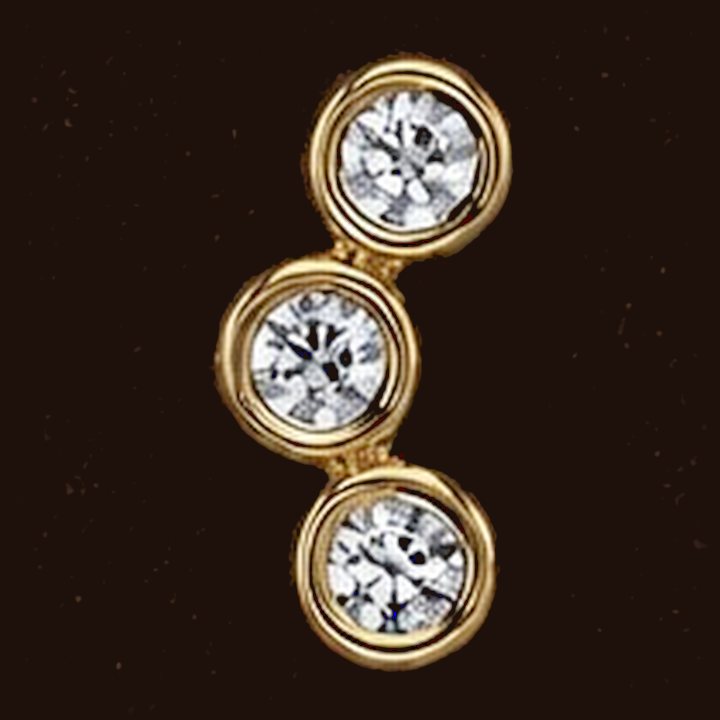
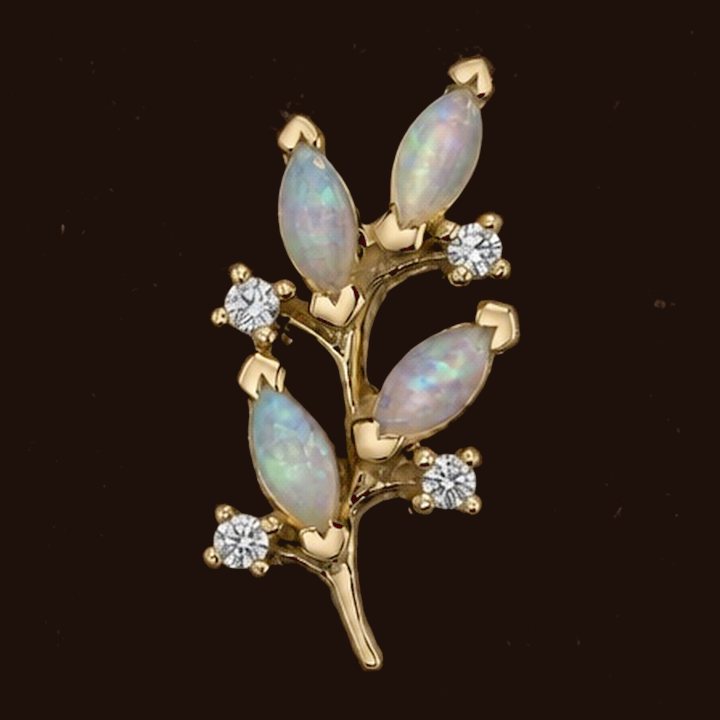
It has room for larger pieces: clusters, halos and sculptural designs.
The bowl is the one place on the ear with room to spare, so a piece can be larger here without crowding what sits around it. Gold goes in on the day, because the piece is chosen before the spot is marked. A ring, or any change of style, waits until it is fully healed, at least twelve months for cartilage.
If a bump comes up beside it, come in. If we pierced it, the look is free, healed or not.
In the case nowpierced, in the price

What happens at the appointment
Forty-five minutes, one client in the room.
It starts at the low table with a mirror in your hand. We look at the bowl of the ear, find the spot, and you choose the piece if you would like gold. Then the mark, which you see and agree with before anything else happens.
The piercing is one pass of a single-use sterile needle, under a minute, and the piece goes in at the same moment. A needle, never a gun. Your checkup goes in the book before you leave.
Inner or outer?
The conch is the whole bowl, and it takes a piercing in two quite different places.
The inner conch is the cupped part beside the ear canal, deepest in the bowl. A piece sits centred in the ear, its flat back behind the cartilage and out of sight from the front. This is what most people mean when they say conch.
The outer conch is the flatter panel between the inner ridge and the rim. Once healed it can also carry a large ring that wraps around the outside of the ear. If that is where you are heading, say so at the first visit: the ring bridges two marks, so both get planned together even when only one is pierced.
Book a conch
$150 in titanium, or from $350 in gold. Nothing to pay when you book.
389 Parnell Road, Parnell, Auckland. Open seven days, by appointment. Directions